Column · @keeganvmuv187
How Basement Waterproofing Can Save You Thousands in Repairs

A wet basement rarely stays a basement problem for long. Water has a way of traveling, swelling, staining, rotting, rusting, and quietly driving up repair bills while the rest of the house carries on as if nothing is wrong. Homeowners often notice the obvious signs first, a musty smell after a storm, a chalky white residue on concrete, a damp cardboard box in the corner. By the time water shows itself in a dramatic way, the expensive damage may already be underway behind drywall, under flooring, or inside framing cavities.
That is why Basement Waterproofing is not just a moisture-control project. It is a financial decision. Handled early, it can prevent structural work, mold remediation, ruined finishes, damaged belongings, higher energy costs, and lost property value. Put off too long, the same issue can grow from a manageable repair into a string of overlapping problems that cost far more than most homeowners expect.
I have seen this pattern many times. One family ignored a little seepage along a basement wall because it only happened during heavy spring rains. It seemed minor. Two years later, the bottom of the finished wall had to be cut out, insulation replaced, flooring removed, and a dehumidifier run for weeks. The waterproofing itself was not even the most expensive part. The cleanup, reconstruction, and replacement of stored items drove the total up far beyond what a proper drainage and sealing approach would have cost at the start.
Water in a basement is rarely a one-time event
People sometimes treat basement moisture like a random inconvenience, as if one bad storm simply overwhelmed the house. In reality, most basement water problems are tied to repeatable causes. Poor grading, clogged gutters, short downspouts, hydrostatic pressure, cracked foundation walls, porous masonry, failed window wells, or aging drain systems all create conditions that come back again and again. The timing may vary, but the mechanism usually does not.
That predictability matters because repeated exposure is what turns a nuisance into a major expense. A little dampness once is one thing. A little dampness twelve times a year is a different story. Materials stay wet longer. Wood remains vulnerable. Mold spores find a reliable environment. Metal fasteners corrode. Paint fails. Finished spaces never fully dry. Even if you mop up visible water, trapped moisture can linger where you cannot see it.
Homeowners often ask whether the problem is serious if they only notice moisture near one wall or only after snowmelt. My answer is usually yes, it deserves attention. Water follows the path of least resistance, and what you see is often just the exit point. The actual source may be higher, farther, or more widespread than the visible stain suggests.
The hidden costs are usually larger than the obvious ones
The first cost people think about is cleanup. They imagine towels, a shop vacuum, maybe a fan. The real financial impact tends to come from secondary damage. Moisture does not need a dramatic flood to become expensive. It only needs time.
Drywall is a good example. If the bottom edge wicks up moisture repeatedly, it softens and deteriorates. Insulation behind it loses effectiveness and may need replacement. Baseboards swell. Flooring materials such as laminate or engineered wood can cup, separate, or grow mold underneath. Carpet padding is especially vulnerable because it traps moisture where drying is slow and incomplete.
Then there is the issue of indoor air quality. A damp basement can affect the whole house, not just the lower level. Air moves upward. Musty odors and elevated humidity can spread into living areas, making the home less comfortable and sometimes aggravating allergies or respiratory sensitivity. Professional mold remediation can cost hundreds or several thousands of dollars depending on the extent and location. If the growth gets into wall cavities, under stairs, or behind built-ins, the labor involved rises quickly.
Stored possessions add another layer. Basements often hold seasonal decorations, family records, tools, furniture, photo albums, exercise equipment, and appliances. Water damage to belongings is hard to predict because the value is not always just monetary. Replacing a damaged freezer is one thing. Replacing old documents or keepsakes is another.
Foundation damage starts small and gets expensive fast
Not every wet basement means serious structural trouble, but prolonged water pressure against foundation walls is never ideal. Over time, moisture can exploit tiny cracks, enlarge existing weaknesses, and contribute to movement in certain soil conditions. Freeze-thaw cycles can make matters worse in colder regions. Expansive soils add another layer of pressure as they swell when wet and shrink when dry.
This is where Basement Waterproofing can pay for itself many times over. Catching water intrusion early may mean sealing cracks, improving drainage, and redirecting runoff before the foundation suffers meaningful damage. Ignore it, and you may eventually be looking at bowed walls, recurring cracks, settlement concerns, or the need for structural reinforcement. Those are not small invoices. Depending on severity and local pricing, structural repairs can run into the many thousands or much more.
A homeowner I spoke with years ago had convinced himself that a hairline crack was cosmetic because it never leaked in summer. By the third winter, the crack had widened enough to let in steady seepage during thaws, and the wall showed slight inward movement. What could have been addressed with earlier drainage correction and crack repair became a much larger stabilization job. Water was not the only problem anymore. It had become a structural problem too.
Waterproofing is cheaper when it is targeted, not reactive
One reason homeowners delay waterproofing is that they imagine the most invasive, expensive version of the work. Sometimes the solution is substantial, especially if exterior excavation or interior drainage is needed. But many houses benefit from a layered approach that starts with basics and addresses the actual source.
A good contractor or consultant usually looks at the whole water story, not just the wet spot. That includes roof runoff, grading, downspout discharge distance, surface drainage patterns, window wells, foundation condition, humidity levels, and any signs of plumbing leaks. Proper diagnosis matters because spending money in the wrong place can be as frustrating as spending nothing at all.
The most cost-effective projects often begin outside the house. I have seen basements improve dramatically after correcting slope issues near the foundation and extending downspouts well away from the home. In other cases, exterior fixes help but do not fully solve hydrostatic pressure, so an interior drain tile system and sump pump become the practical answer. There is no universal cure, and that is exactly why careful assessment saves money. You are not buying a generic service. You are reducing the specific ways water reaches your basement.
The repair bill after water intrusion can stack up in layers
When people compare the cost of Basement Waterproofing against doing nothing, they often compare it to the wrong thing. They compare it to zero. In reality, the comparison should be between waterproofing now and the likely sequence of repairs later.
Here is where the money commonly goes after recurring basement moisture is left unresolved:
- Water cleanup and drying equipment rental or emergency service
- Removal and replacement of drywall, trim, insulation, and flooring
- Mold treatment or remediation in affected areas
- Replacement of damaged personal property and appliances
- Structural or foundation repairs if water pressure contributes to movement
Even modest incidents can combine into a surprisingly high total. A small finished basement with wet carpet, damaged drywall, and a basic remediation scope can easily generate a bill in the low thousands. A more severe event, especially with mold or structural concerns, can rise much higher. The point is not to scare homeowners. It is to frame the economics honestly. Water damage is rarely a single charge. It is usually a chain reaction.
Finished basements raise the stakes
An unfinished basement with a damp wall is still a concern, but a finished basement is a different level of risk. Once you add framing, insulation, drywall, flooring, electrical, furniture, and media equipment, every water event gets more expensive. Even if the water only reaches part of the space, repairs can become invasive because finishes hide the full extent of the moisture path.
This is one of the clearest cases for preventive action. If a homeowner plans to finish a basement, waterproofing should be part of the budget conversation from the beginning. It is much cheaper to protect the space before installing finish materials than to tear them out later. I have watched homeowners spend tens of thousands on a basement remodel while treating moisture control as an optional add-on. That is backwards. Moisture management is part of the foundation of the project, literally and financially.
A dry basement also gives you flexibility. It can serve as living space, office space, a gym, or organized storage without constant worry. Buyers notice this too. A basement that smells clean and feels dry is easier to market than one that hints at hidden moisture problems.
Insurance may not save you
This is where many homeowners are caught off guard. They assume any water damage in the basement will be covered by homeowners insurance. Often it is not that simple. Coverage depends on the source of the water and the policy details. Sudden and accidental events, such as certain plumbing failures, may be treated differently than repeated seepage, groundwater intrusion, or long-term neglect. Sewer backup coverage is often separate. Flood damage typically requires a different policy altogether.
The result is that homeowners may be paying out of pocket for damage they assumed was insured. Even when a claim is covered, deductibles, limits, premium increases, and exclusions can leave a substantial financial burden. Waterproofing reduces reliance on uncertain coverage and lowers the odds of a stressful claim in the first place.
Moisture also raises your operating costs
The savings from Basement Waterproofing are not only about avoiding dramatic repairs. Chronic dampness can make a house more expensive to run. High humidity makes air feel cooler in winter and stickier in summer. HVAC systems work harder. Dehumidifiers run longer. Insulation that has absorbed moisture performs poorly. Over time, those extra utility costs add up.
There is also wear on equipment. Sump pumps, dehumidifiers, and air handling systems last longer when they are not fighting a constant battle against unmanaged moisture. If your basement smells damp, feels clammy, or needs continuous drying to stay tolerable, the house is spending money to compensate for a condition that should be corrected more directly.
What effective waterproofing usually includes
The right solution depends on the house, but durable results usually come from combining water management strategies rather than relying on a single product. Paint-on sealers, for example, have their place, but they are not a substitute for correcting exterior drainage or relieving hydrostatic pressure. Homeowners get into trouble when they buy a cosmetic answer for a water-management problem.
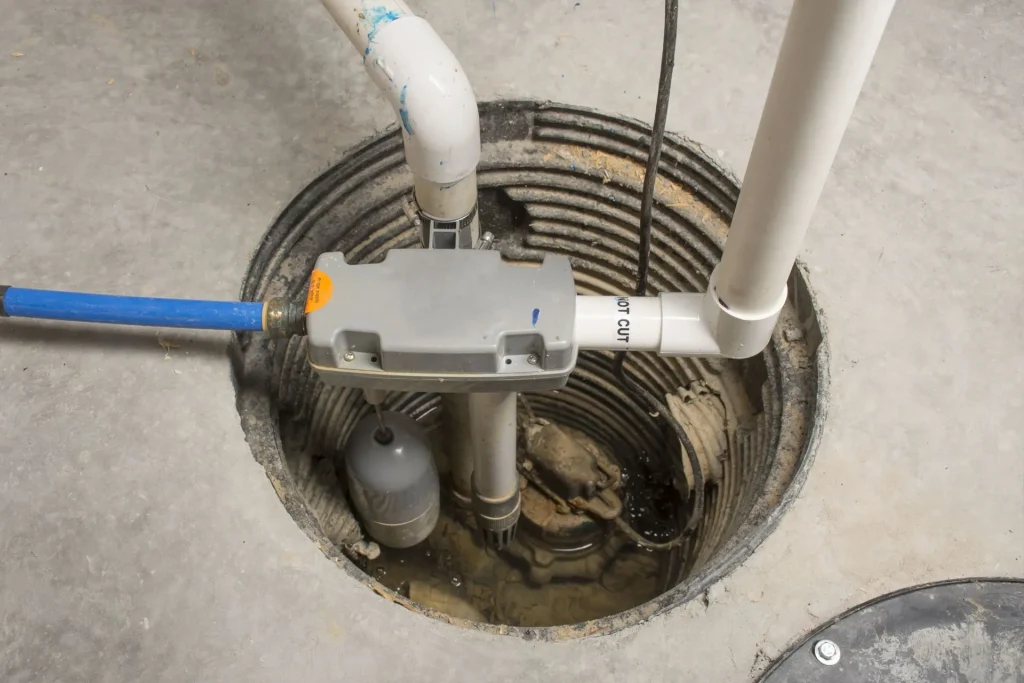
A thoughtful waterproofing plan may involve some mix of grading correction, gutter and downspout improvements, crack repair, exterior membrane application, drainage board, French drains, interior perimeter drainage, sump pump installation, vapor barriers, and humidity control. Not every home needs all of these. Some need only a few. The key is understanding how water is entering and where it should be redirected instead.
If you are evaluating estimates, pay attention to scope, not just price. One proposal may be cheaper because it addresses the symptom instead of the cause. Another may include safeguards like battery backup for a sump pump or discharge line protection against freezing, details that matter in real storms when power is unstable and water volume is high.
Signs it is time to act
Not every basement issue announces itself with standing water. Some of the most important warning signs are subtle, and homeowners miss them because they do not seem urgent. If you notice any of the following, it is wise to investigate before the next wet season:
- Musty odor that returns even after cleaning
- White mineral deposits on masonry surfaces
- Peeling paint or bubbling wall finishes
- Rust on metal items stored near walls or floor
- Damp spots, staining, or minor seepage after rain
Each of these suggests that moisture is active in the space, even if you have never had a visible puddle. A dry basement should smell neutral and remain consistent across seasons. If conditions change sharply with rainfall, snowmelt, or humidity swings, there is usually an underlying path for water or vapor intrusion.
DIY has limits, and knowing those limits saves money too
Homeowners can and should handle some preventive work. Cleaning gutters, extending downspouts, maintaining grading, checking window wells, and reducing clutter against basement walls are practical steps. A quality dehumidifier can help control ambient moisture while you evaluate the bigger picture. For very minor issues, these actions may be enough.
But there is a point where professional diagnosis is worth the expense. If water is entering through floor-wall joints, cracks are widening, a finished area has visible damage, or moisture keeps returning despite basic maintenance, guesswork gets expensive. I have seen homeowners spend money on waterproof paint, replacement flooring, and repeated drying efforts while the actual issue remained unchanged. That kind of piecemeal spending can exceed the cost of proper correction surprisingly fast.
Good contractors are not just installers. The better ones are problem solvers. They can tell you whether the issue is surface runoff, groundwater pressure, condensation, or a combination of factors. That distinction matters because each calls for a different response.
The resale value angle is real
Basement moisture problems can derail a sale, complicate inspections, or invite steep buyer concessions. Even if the rest of the home shows well, signs of water https://landenvzby939.wordcanopy.com/posts/how-basement-waterproofing-adds-peace-of-mind-during-storms intrusion make buyers nervous, and for good reason. They know basement issues can be difficult to price from a quick walk-through. Uncertainty lowers offers.
A basement that has been professionally waterproofed and kept dry is easier to stand behind during the selling process. Documentation helps. Receipts, transferable warranties when available, and records of related improvements such as drainage work all add confidence. Buyers are far more comfortable with a problem that was properly solved than with stains and odors that suggest an ongoing issue.
This is not just about passing inspection. It is about preserving negotiating power. A home with unresolved moisture concerns can lose value indirectly through delayed offers, repair demands, or buyers simply moving on to the next property.
The real payoff is avoiding compounded damage
The strongest financial case for Basement Waterproofing is that it prevents problems from multiplying. Water damage is rarely linear. It compounds. One leak becomes damaged finishes. Damaged finishes become mold risk. Mold risk leads to demolition. Ongoing pressure affects the foundation. Dampness affects air quality and comfort. Poor documentation affects resale. By the time all of that is visible, the house has already been paying the price.
That is why timely waterproofing saves thousands. It interrupts the chain early, when solutions are simpler and the damage is still limited. In some homes, that means a relatively straightforward drainage correction. In others, it means a more comprehensive waterproofing system. Either way, the cost should be measured against what it prevents, not just what it installs.
A dry basement protects more than concrete and storage bins. It protects framing, finishes, mechanical systems, indoor air, usable square footage, and the value of the home itself. Most of all, it protects you from the kind of repair bill that always seems to arrive at the worst possible moment, after a major storm, during a sale, or halfway through a renovation.
If your basement has been trying to tell you something, believe it early. That is almost always the cheaper decision.
ARD Waterproofing
98 Smull Ave, West Caldwell, NJ 07006, United States
+1 917-691-8411
FAQ About Basement Waterproofing
Can you 100% Waterproof a Basement in West Caldwell?
A properly designed system can substantially reduce basement water intrusion, but no method can promise protection against every flood, equipment failure, or future change in site conditions. The first step is identifying whether moisture comes from surface runoff, groundwater, plumbing, or condensation. Solutions may include grading and gutter improvements, drainage, foundation repairs, and a sump system. Review the specific coverage and exclusions of any written warranty.
How much does it cost to professionally waterproof a basement in NJ?
There is no single price that fits every basement. Cost depends on the cause of the leak, the area needing work, access, excavation requirements, drainage design, sump equipment, and restoration of disturbed finishes or landscaping. Request an on-site assessment and an itemized written estimate that explains the scope, exclusions, and maintenance requirements before comparing proposals.
How long does foundation waterproofing last in West Caldwell, NJ?
Service life varies with the waterproofing materials, installation quality, soil and water conditions, and maintenance. Drainage components and pumps may require servicing or replacement even when other parts of the system remain functional. Keep gutters, drainage outlets, and sump equipment maintained, and have recurring leaks or changes in foundation condition assessed. Ask for product-specific expectations and written warranty terms rather than relying on one lifespan for the entire system.